

The Rise of Canadian Bourbon-Style Whiskies: Why More Distilleries Are Making Bourbon-Inspired Whisky (2026 Guide)


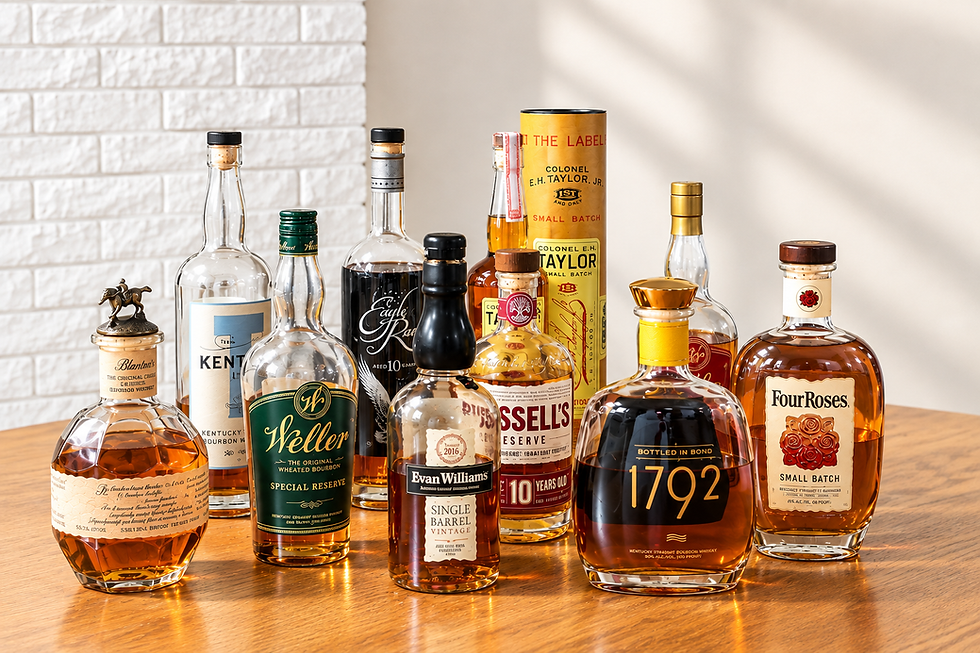
For years, bourbon lovers in Canada faced a familiar challenge: finding the bottles they wanted. While classics like Buffalo Trace, Eagle Rare and Blanton's developed loyal followings, they were often difficult to find, arrived in limited quantities, or sold out almost immediately. Depending on where you lived, your local selection could look dramatically different from another province's.
👉 Read our full Buffalo Trace Bourbon Review
👉 Read our full Eagle Rare Bourbon Review
👉 Read our full Blanton's Bourbon Review
That challenge became even more pronounced in 2025. As trade tensions between Canada and the United States escalated, several provinces introduced measures affecting the sale of American alcohol products. Ontario, for example, temporarily removed U.S. spirits—including bourbon—from LCBO shelves while new purchases of American products were paused as part of the province's response to U.S. tariffs.
Although these measures were tied to a specific trade dispute rather than a permanent policy, they highlighted something many Canadian whiskey drinkers had already experienced for years:
Canada relies heavily on imported bourbon, and that supply can change quickly.
At the same time, another trend was quietly gaining momentum.
Across the country, Canadian craft distilleries were experimenting with whiskies that embraced many of bourbon's most recognizable characteristics. Instead of producing traditional rye-forward Canadian whiskies, some distillers began using higher corn mash bills, ageing spirit in new charred oak barrels, bottling at higher proofs, and creating rich flavour profiles filled with caramel, vanilla, toasted oak and baking spice.
The result wasn't bourbon—at least not legally.
Instead, it became something uniquely Canadian: bourbon-inspired or bourbon-style whisky.
Today, this category is growing faster than many enthusiasts realize. While American bourbon remains incredibly popular, Canadian producers are creating whiskies that offer familiar flavour profiles while showcasing Canadian grain, local craftsmanship and their own interpretation of what makes bourbon enjoyable.
In this guide, we'll explore what "bourbon-style" really means, why more Canadian distilleries are embracing it, how recent trade disruptions have accelerated interest in Canadian alternatives, and why this emerging category deserves the attention of every Canadian bourbon fan.
What Is Bourbon?
Before understanding bourbon-style whisky, it's important to understand what legally qualifies as bourbon.
Many people assume bourbon simply refers to a sweet style of whiskey, but it's actually one of the most tightly regulated whiskey categories in the world.
To legally be labelled as bourbon, a whiskey must:
Be produced in the United States
Contain at least 51% corn in the mash bill
Be aged in brand-new charred oak barrels
Enter the barrel at no more than 125 proof (62.5% ABV)
Be bottled at a minimum of 80 proof (40% ABV)
Contain no added colouring or flavouring
Contrary to popular belief, bourbon does not have to come from Kentucky. While Kentucky produces the vast majority of the world's bourbon, producers in states like Indiana, Tennessee, Texas and New York can also legally produce bourbon if they meet the same production requirements.
The key takeaway is simple: Bourbon is both a style of whiskey and a legally protected American product.
That legal protection explains why you'll never see a Canadian distillery label one of its own products as "bourbon," regardless of how similar it tastes.
👉 What a better understanding? Read our blog on Bourbon vs Whiskey vs Scotch: What’s the Difference?
Why Canada Can't Produce Bourbon
This often surprises newcomers to whiskey.
A Canadian distillery could use:
a mash bill containing 70% corn,
brand-new charred oak barrels,
traditional bourbon fermentation techniques,
and produce a whiskey that tastes remarkably similar to Kentucky bourbon.
Yet it still couldn't legally be called bourbon.
Why? Because bourbon is recognized internationally as an American whiskey category. Just as Champagne must come from France's Champagne region and Scotch whisky must be distilled and matured in Scotland, bourbon must be produced in the United States to carry that name.
That doesn't prevent Canadian distillers from producing whiskies inspired by bourbon traditions—it simply means they must market them differently.
And that's exactly where the term bourbon-style whisky enters the conversation.
What Does "Bourbon-Style Whisky" Actually Mean?
Unlike bourbon itself, bourbon-style whisky is not a legally defined category.
There is no Canadian regulation that specifies exactly what qualifies a whisky as bourbon-style, nor is there a required mash bill or ageing process.
Instead, the phrase serves as a simple way of communicating flavour expectations.
When a Canadian distillery describes one of its whiskies as bourbon-inspired or bourbon-style, it's usually signalling that the whisky has been crafted to deliver many of the flavours bourbon drinkers already enjoy.
That often includes:
A higher percentage of corn in the mash bill
Rich caramel sweetness
Pronounced vanilla notes
Toasted or charred oak character
Baking spice
A fuller body than many traditional Canadian whiskies
It's not trying to imitate a specific bourbon. Rather, it's expressing a flavour profile that bourbon enthusiasts are likely to appreciate.
Think of it less as a legal category and more as a tasting style.
A Brief History of Bourbon-Inspired Whisky in Canada
For generations, Canadian whisky has been known for its own unique identity. Traditionally, Canadian distillers became recognized for lighter-bodied whiskies, rye-forward flavour profiles, and blending expertise that helped separate Canadian whisky from American bourbon.
However, as bourbon grew into one of the world's fastest-growing whiskey categories, Canadian drinkers began developing a greater appreciation for the flavours that define bourbon—including rich caramel sweetness, vanilla, toasted oak, and baking spice.
This growing interest changed what many Canadian whiskey enthusiasts were looking for in their bottles.
Instead of only seeking traditional Canadian whisky styles, more drinkers started exploring whiskies with:
sweeter corn-forward flavours
deeper oak influence
richer barrel character
higher-proof expressions
At the same time, Canada's craft distilling industry was entering an exciting period of growth. Independent distillers across the country began experimenting with different grains, barrel types, and maturation techniques.
Rather than attempting to create "Canadian bourbon"—which is not legally possible—these producers began developing bourbon-inspired whiskies that captured many of the characteristics bourbon lovers enjoy while showcasing Canadian ingredients, climate, and craftsmanship.
The category gained even more attention as bourbon availability in Canada became increasingly unpredictable. Trade tensions between Canada and the United States, along with temporary restrictions affecting American alcohol products in some provinces, encouraged more consumers to explore Canadian-made alternatives.
While bourbon-inspired whisky existed before these market changes, they helped introduce a wider audience to Canadian producers creating unique, bourbon-influenced expressions.
Today, bourbon-inspired whisky represents one of the most exciting developments in Canada's whisky landscape. It is not a replacement for Kentucky bourbon—it is a distinctly Canadian interpretation of the flavours that made bourbon famous around the world.
Why More Canadian Distilleries Are Embracing Bourbon-Inspired Whisky
This trend didn't happen overnight.
Several factors have combined to create the perfect environment for Canadian bourbon-style whiskies to grow.
Canadian whiskey drinkers are changing
A decade ago, many Canadian whiskey enthusiasts primarily explored Canadian rye whisky or Scotch.
Today, bourbon has become one of the fastest-growing whiskey categories among Canadian enthusiasts.
Social media, YouTube reviewers, whiskey podcasts and online communities have introduced Canadian drinkers to bottles like Buffalo Trace, Weller, Eagle Rare, Russell's Reserve and Wild Turkey 101.
👉 Read our full Weller Special Reserve Bourbon Review
👉 Read our full Weller Antique 107 Bourbon Review
As palates evolved, so did consumer expectations.
Drinkers increasingly began looking for whiskies with:
sweeter flavour profiles
richer oak influence
higher proof options
more pronounced vanilla and caramel notes
Recognising this shift, Canadian craft distillers started experimenting with recipes and maturation techniques that naturally appealed to bourbon drinkers while still creating products that reflected Canadian ingredients and craftsmanship.
Rather than trying to copy Kentucky, many set out to answer a different question: What would a bourbon-inspired whisky taste like if it were made in Canada?
👉 Interested in trying some Canadian Bourbon-style whiskies? Take a look at some of our favourites here: Best Canadian Bourbon-Style Whiskies (2026 Guide): 6 Bottles Bourbon Lovers Need to Try
How Trade Tensions Opened New Opportunities for Canadian Producers
One of the biggest catalysts for this category's recent growth wasn't a new production technique or changing regulations—it was the marketplace itself.
As trade tensions between Canada and the United States intensified, several provinces took action against American alcohol imports as part of broader tariff responses.
Ontario attracted the most attention after the LCBO temporarily removed American spirits from its stores and paused purchasing new U.S. products. Other provinces also adjusted procurement strategies or promoted Canadian-made alternatives during the same period.
While these measures were intended as economic and political responses rather than permanent changes to Canada's liquor landscape, they had an unexpected effect.
Many Canadian whiskey drinkers suddenly found themselves looking beyond familiar American labels.
Some explored Canadian craft distilleries for the first time.
Others discovered that several Canadian producers were already making whiskies with many of the same characteristics they loved in bourbon.
It's important not to overstate this relationship. Canadian bourbon-style whisky existed before the tariff dispute, and many producers had been experimenting with corn-forward mash bills and new oak maturation for years.
However, reduced access to American bourbon undoubtedly increased consumer awareness of domestic alternatives. Bottles that may once have been overlooked suddenly became part of the conversation—not because they were trying to replace bourbon, but because they offered Canadian whiskey drinkers another path to similar flavours when American options became harder to find.
In many ways, the trade dispute accelerated interest in a category that was already quietly developing across Canada's craft distilling scene.
👉 Learn More about Why Bourbon Is So Hard to Find in Canada here
How Canadian Distillers Are Creating Their Own Interpretation of Bourbon
Canadian distillers aren't trying to recreate Kentucky bourbon bottle for bottle. Instead, they're taking many of the production techniques that make bourbon so appealing and adapting them to Canadian ingredients, climate, and distilling traditions.
The result is a category that feels familiar to bourbon drinkers while still showcasing the creativity of Canada's rapidly growing craft whisky industry.
Higher Corn Mash Bills
One of bourbon's defining characteristics is its high corn content, which contributes to its signature sweetness.
While traditional Canadian whisky often leans heavily on rye for spice and complexity, many bourbon-inspired Canadian whiskies increase the proportion of corn in their mash bills to create a softer, sweeter profile with notes of caramel, vanilla and honey.
That doesn't mean every bourbon-style whisky uses the same recipe. Some producers still include rye for structure and spice, while others experiment with wheat to create a smoother, rounder finish.
New Charred Oak Barrels
Perhaps the biggest influence on flavour comes from the barrel itself.
American bourbon must legally be aged in brand-new charred oak barrels, and many Canadian producers making bourbon-inspired whiskies have adopted the same approach.
New charred oak contributes rich notes of:
Vanilla
Caramel
Brown sugar
Toasted marshmallow
Baking spice
Charred oak
These flavours are often what bourbon drinkers recognize first when trying a Canadian bourbon-inspired whisky.
Higher Proof Releases
Another noticeable trend is the growing number of cask strength and high-proof Canadian whiskies.
Rather than reducing every whisky to 40% ABV, many craft distilleries are releasing expressions at barrel proof or higher bottling strengths, allowing drinkers to experience richer texture, greater intensity, and more concentrated flavour.
For bourbon enthusiasts who enjoy bold pours, this is an exciting development.
Small Batch Innovation
Unlike large multinational distilleries, many Canadian craft producers have the flexibility to experiment.
Limited releases, unique barrel finishes, local grain varieties and creative maturation techniques allow Canadian distillers to produce whiskies that don't fit neatly into traditional categories.
That's one of the reasons this segment continues to evolve so quickly.
Canadian Climate vs. Kentucky: How Maturation Creates Different Whiskies
One of the biggest differences between Canadian bourbon-inspired whisky and traditional Kentucky bourbon has nothing to do with grain or barrels—it's climate.
Kentucky experiences long, hot summers and relatively mild winters. Those seasonal swings cause whiskey to move rapidly in and out of the oak, extracting flavour quickly. As a result, a six- to eight-year-old Kentucky bourbon can develop deep notes of caramel, vanilla, and toasted oak in a relatively short period.
Canada tells a different story.
Much of the country experiences colder winters and, depending on the region, shorter periods of intense summer heat. This generally slows the interaction between spirit and barrel, leading to a different style of maturation.
Rather than simply extracting oak flavours more slowly, cooler conditions can allow fruit, grain, and cereal notes to remain more prominent while oak integrates gradually over time. The result is often a whisky that balances sweetness with freshness instead of relying solely on heavy barrel influence.
Regional differences within Canada also play a role.
British Columbia's Okanagan Valley has warm summers and cold winters, creating pronounced seasonal changes that support active maturation.
Alberta experiences dry conditions and significant temperature swings, encouraging dynamic barrel interaction.
Ontario has humid summers and cold winters, producing yet another maturation profile.
This diversity means there is no single "Canadian bourbon-style" flavour profile. Instead, each distillery interprets the style through its local climate, grain sources, and production philosophy.
For bourbon enthusiasts, that's part of the appeal.
Rather than tasting like copies of Kentucky bourbon, Canada's best bourbon-inspired whiskies express a sense of place while still delivering the caramel, vanilla, oak, and spice that make bourbon so enjoyable.
👉 Looking for something more classic? Check out our Kentucky Bourbon Haul here
Canadian Distilleries Shaping the Bourbon-Inspired Whisky Movement
Canada's bourbon-inspired whisky category is still relatively young, but a growing number of producers are creating whiskies that appeal to bourbon drinkers while showcasing Canadian ingredients and craftsmanship. Here are a few distilleries we've personally explored at Waylon's Bourbon Shelf that are helping define this emerging style.
Okanagan Spirits Craft Distillery (British Columbia)

If one distillery has embraced the term "bourbon-style whisky," it's Okanagan Spirits. Their BRBN lineup was developed specifically to capture many of the rich, oak-forward characteristics that bourbon lovers enjoy while remaining proudly Canadian.
We've reviewed several expressions, including BRBN, BLK BRBN, and limited cask finishes, all of which showcase notes of caramel, vanilla, toasted oak and baking spice. Okanagan Spirits continues to push the category forward through innovation while staying true to Canadian craft distilling.
👉Related reviews:
Bridgeland Distillery (Alberta)

Located in Calgary, Bridgeland Distillery has built a reputation for producing grain-to-glass spirits using locally sourced Alberta ingredients. Their Taber Corn Whisky is an excellent example of how Canadian producers can create a corn-forward whisky that naturally appeals to bourbon drinkers.
Rather than trying to imitate Kentucky bourbon, Bridgeland highlights the character of Alberta-grown Taber corn, creating a whisky with sweet grain notes, vanilla, caramel and balanced oak that offers its own distinctly Canadian identity.
👉Related review:
Maverick Distillery (Ontario)

Based in Ontario, Maverick Distillery has quickly become one of the most exciting names in Canada's bourbon-inspired whisky scene. Their Barnburner series demonstrates how bold flavour, higher proof and thoughtful barrel maturation can create a whisky that resonates with bourbon enthusiasts.
Our favourite Maverick product to date is the Barnburner Cask 7 Year, which delivers concentrated flavours of caramel, vanilla, toasted oak and baking spice with a long, warming finish. It's a great example of how Canadian whisky can embrace bourbon-inspired techniques while developing its own character.
👉Related reviews:
John Sleeman & Sons (Ontario)

With roots dating back to the 19th century, John Sleeman & Sons is one of Canada's historic whisky producers. While the company is best known for its long-standing role in Canadian whisky, it has also produced expressions that appeal to bourbon drinkers through their emphasis on rich oak influence, approachable sweetness and traditional whisky craftsmanship.
Their releases demonstrate that bourbon-inspired flavour profiles aren't limited to small craft producers—established Canadian distillers are also exploring styles that bridge the gap between classic Canadian whisky and American bourbon.
👉Related review:
Old Montreal Distillery (Quebec)

Owned by Sazerac, Old Montreal Distillery offers an interesting connection between Canadian whisky and one of the most recognizable names in American bourbon.
Sazerac is the parent company of the legendary Buffalo Trace Distillery in Frankfort, Kentucky—the home of iconic bourbons such as Buffalo Trace, Eagle Rare, Blanton's, Weller, Stagg, and many other sought-after releases. While those bourbons continue to be distilled and aged in Kentucky, Sazerac's presence in Canada reflects the company's investment in both American bourbon and Canadian whisky.
For Canadian bourbon enthusiasts, this connection makes Old Montreal Distillery particularly noteworthy. It represents a unique bridge between Canada's whisky industry and one of the world's most respected bourbon producers, highlighting how Canadian operations play a role within a global spirits portfolio while continuing to contribute to Canada's evolving whisky landscape.
👉Related review:
Canadian Bourbon-Inspired Whisky Comparison
Distillery | Featured Whisky | Province | Bourbon-Inspired Style | Tasting Highlights | Best For |
Okanagan Spirits | British Columbia | Purpose-built bourbon-style whisky inspired by the sweet, oak-forward profile of American bourbon | Caramel, vanilla, toasted oak, baking spice, smooth finish | Bourbon drinkers looking for an approachable Canadian alternative | |
Okanagan Spirits | British Columbia | A richer, higher-proof bourbon-style whisky with deeper barrel influence and intensity | Dark caramel, charred oak, baking spice, chocolate, long warming finish | Bourbon enthusiasts who enjoy bold, full-flavoured pours | |
Bridgeland Distillery | Alberta | Corn-forward Canadian whisky showcasing Alberta-grown Taber corn with additional barrel influence | Sweet corn, caramel, vanilla, toasted oak, rich grain sweetness, gentle spice | Bourbon fans looking for a unique Canadian corn whisky experience | |
Maverick Distillery | Ontario | Bourbon-inspired Canadian whisky designed around rich oak, sweetness and traditional bourbon flavour influences | Caramel, vanilla, oak, baking spice, smooth warming finish | Drinkers wanting a bourbon-style experience from a Canadian craft producer | |
Maverick Distillery | Ontario | Bold, high-proof bourbon-inspired whisky with extended maturation and concentrated flavour | Rich caramel, vanilla, toasted oak, baking spice, deep complexity, long finish | Experienced bourbon drinkers looking for intensity and depth | |
John Sleeman & Sons | Ontario | Classic Canadian straight whisky with characteristics that appeal to bourbon drinkers through oak influence and balanced sweetness | Caramel, vanilla, oak, baking spice, smooth finish | Those who enjoy traditional Canadian whisky with bourbon-like qualities | |
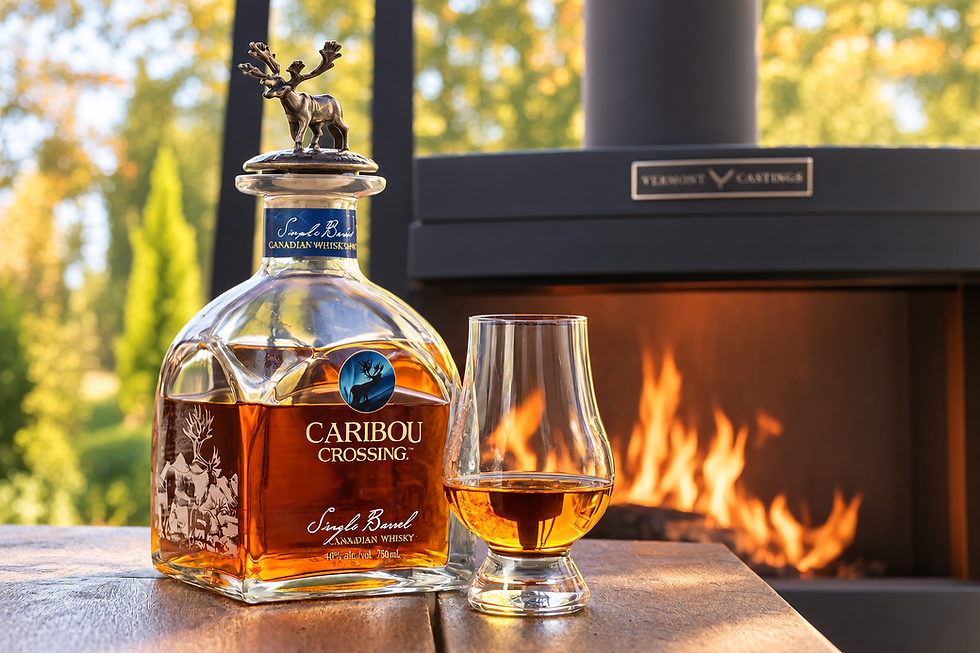
Sazerac (Canada) | Canada | Premium single barrel Canadian whisky from the Sazerac portfolio with a smooth, sweet, oak-forward profile | Butterscotch, caramel, vanilla, toasted oak, light spice | Bourbon enthusiasts interested in exploring a Canadian whisky connected to the Buffalo Trace family |
The Future Looks Bright for Canadian Bourbon-Inspired Whisky
What these distilleries have in common isn't a desire to copy Kentucky bourbon—it's a commitment to creating whiskies that capture the rich caramel, vanilla and oak-forward flavours bourbon fans love while expressing Canada's own ingredients, climate and distilling traditions.
As Canadian craft distilling continues to grow and consumers look beyond traditional categories, these producers are helping establish bourbon-inspired whisky as one of the most exciting developments in the Canadian whisky landscape.
Why This Category Is Only Getting Stronger
Even if American bourbon becomes more widely available across every province again, it's unlikely that interest in Canadian bourbon-style whisky will disappear.
Instead, the category has begun establishing its own identity.
Canadian producers aren't succeeding simply because bourbon has occasionally been harder to find.
They're succeeding because they're creating genuinely enjoyable whiskies that deserve attention on their own merits.
Several long-term trends suggest this category will continue to grow.
Canadian Craft Distilling Is Maturing
Many of Canada's modern craft distilleries have now accumulated years of maturation experience.
Older whisky stocks are becoming available, production methods continue to improve, and distillers are gaining a better understanding of how Canadian climate influences barrel ageing.
That means future releases are likely to become even more refined.
Consumers Are More Adventurous Than Ever
Today's whiskey enthusiasts are constantly looking for something new.
Rather than buying the same bottle repeatedly, many drinkers enjoy exploring new distilleries, comparing flavour profiles and discovering unique regional expressions.
Canadian bourbon-inspired whisky fits perfectly within that mindset.
Supporting Canadian Distilleries
For many enthusiasts, buying Canadian isn't just about availability—it's about supporting local producers who are investing in quality, innovation and craftsmanship.
As more consumers discover these whiskies, demand will likely encourage even more experimentation and new releases.
Is Canadian Bourbon-Style Whisky Replacing Bourbon?
No—and it doesn't need to.
American bourbon remains one of the world's most respected whiskey categories for good reason.
Kentucky, Tennessee and other American producers have spent generations refining their craft.
Canadian bourbon-inspired whisky isn't trying to replace that heritage.
Instead, it offers something different:
Canadian grain
Canadian climate
Canadian craftsmanship
Canadian interpretation
For bourbon lovers, that's an opportunity rather than a compromise.
The best Canadian bourbon-inspired whiskies aren't copies—they're original expressions that happen to speak a similar flavour language.
Final Thoughts
The rise of Canadian bourbon-style whisky reflects more than a passing trend.
It represents the evolution of Canada's whisky industry and the changing tastes of Canadian whiskey drinkers.
While trade disputes, shifting retail policies and inconsistent bourbon availability have certainly introduced more consumers to domestic alternatives, the success of this category ultimately comes down to quality.
Canadian distillers are producing whiskies with confidence, creativity and a clear understanding of what bourbon enthusiasts enjoy.
As more producers experiment with corn-forward mash bills, new charred oak maturation and higher-proof releases, Canadian bourbon-inspired whisky is carving out a place of its own.
For bourbon fans, there's never been a better time to explore what's being made north of the border.
You may not find the word "bourbon" on the label—but you just might discover your next favourite pour.
🚨 New to Bourbon or Looking for Your Next Bottle?
Explore our complete Best Bourbon in Canada (2026 Guide) — a dedicated resource featuring the top bourbons Canadians can actually find, buy, and enjoy.
🥃 Recommended Bottles to Try
Based on this guide, here are some great Bourbon options currently available in Canada:
Weller Antique 107 Bourbon - Rich wheated flavour profile that is bold yet approachable
Woodford Reserve Kentucky Straight Bourbon – Excellent value, Smooth & refined
Buffalo Trace Bourbon Review - Classic bourbon profile, approachable & beginner-friendly
🔗 Keep Exploring Bourbon
If you enjoyed this guide, check out more of our top posts:
Best Bourbon in Canada (2026 Guide): Top Bottles You Can Actually Find – Discover top bottles like Blanton’s, Weller, and Buffalo Trace—plus where to buy bourbon online in Ontario right now
The Ultimate Guide to the Best Bourbon Accessories in Canada (Amazon Finds) - Discover top whiskey glasses, smoker kits, ice molds, and more—plus Amazon Canada buying links.
Where to Buy Bourbon in Canada (2026 Guide for Ontario Bourbon Lovers) - If you're trying to figure out where to buy bourbon in Canada right now, this guide will help.
❓ Bourbon & Whiskey FAQs
What is bourbon-style whisky?
Bourbon-style whisky is a descriptive term used for whiskies that are crafted to deliver flavour profiles similar to bourbon—such as caramel, vanilla, oak and sweetness—but cannot legally be called bourbon because they are not produced in the United States.
Can bourbon be made in Canada?
No. Bourbon is a legally protected American whiskey category. Canadian distilleries can produce bourbon-inspired whiskies, but they cannot market them as bourbon.
Why are more Canadian distilleries making bourbon-inspired whisky?
Growing interest in bourbon, increasing demand for sweeter corn-forward whiskies, continued innovation within Canada's craft distilling industry, and periods of reduced availability of American bourbon have all contributed to the growth of bourbon-inspired Canadian whiskies.
Are Canadian bourbon-style whiskies good alternatives to bourbon?
Many are excellent alternatives, particularly for drinkers who enjoy rich flavours of vanilla, caramel and toasted oak. While they have their own identity, they often appeal to bourbon enthusiasts looking to explore Canadian craft whisky.
Where can I buy Canadian bourbon-style whisky?
Availability varies by province. Private retailers in Alberta often offer the widest selection, while other provinces may carry bourbon-inspired whiskies through government liquor stores or directly from participating distilleries.

Comments